
Asbestos testing in San Antonio, TX involves trained professionals conducting visual inspections, sampling (bulk or air), and sending samples to accredited labs for analysis using advanced techniques like TEM and PLM. Cost varies ($150-$500 per sample) based on sample type, local regulations, complexity, and material condition. Best practices include:
- Visual identification of suspected materials.
- Wearing personal protective equipment (PPE).
- Using proper sampling techniques with sterile containers.
- Sending samples to certified labs for analysis.
Regular updates, comprehensive training, and adherence to OSHA/EPA guidelines ensure accurate results and protect against health risks associated with asbestos exposure. Proactive identification and tailored sampling strategies reduce costs, making cost-effective solutions possible while maintaining safety standards in San Antonio.
Asbestos testing remains a critical component of ensuring safe, healthy environments, especially in the built sector. In San Antonio TX, where historic construction practices may have introduced asbestos into buildings, proper sampling and testing are essential to mitigate risks. The challenge lies in accurately identifying suspect materials—a task that requires meticulous attention due to asbestos's diverse forms and hidden presence. This article delves into the methodologies behind effective asbestos material sampling, providing insights to guide professionals and property owners alike. By understanding these techniques, we can efficiently navigate the cost of asbestos testing in San Antonio TX, ensuring compliance and safety.
- Understanding Asbestos Testing Sampling Procedures
- Cost Implications: Asbestos Testing in San Antonio TX
- Best Practices for Safe Material Sampling & Analysis
Understanding Asbestos Testing Sampling Procedures
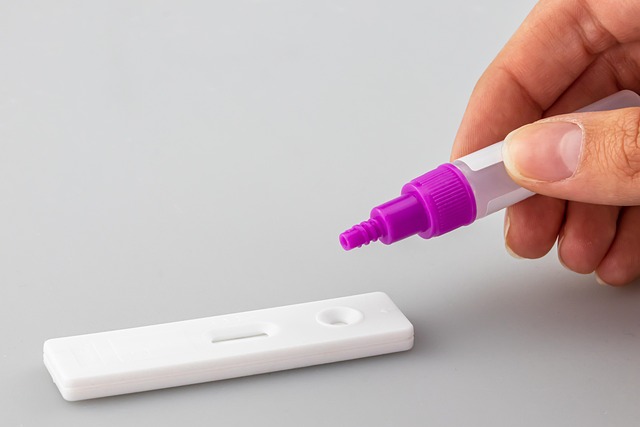
Asbestos testing involves carefully collecting samples of suspect materials to determine if they contain asbestos fibers. This process is crucial for ensuring public safety, especially in older buildings where asbestos was commonly used in construction materials. The sampling procedure must be conducted by trained professionals following strict protocols to avoid health risks and ensure accurate results. In San Antonio TX, the cost of asbestos testing can vary depending on several factors, including the type of material sampled, the location's regulatory requirements, and the complexity of the project.
There are several steps involved in effective asbestos sampling. First, a thorough inspection identifies potential asbestos-containing materials (ACMs). This includes examining surfaces, insulation, flooring, and even roofing. Once suspicious areas are identified, small core samples or bulk samples are collected using specialized tools to avoid dispersing fibers. For instance, a 10x10 cm area of suspected insulation might be cut out for analysis. These samples are then sealed in labeled containers for transport to accredited laboratories. The labs employ sophisticated techniques like transmission electron microscopy (TEM) and polarized light microscopy (PLM) to identify asbestos fibers under magnification.
The expertise involved in asbestos testing is vital to ensure compliance with regulations and the safety of occupants. Professional samplers must follow guidelines set by organizations like the Occupational Safety and Health Administration (OSHA) and the Environmental Protection Agency (EPA). In San Antonio TX, where the cost of asbestos testing can range from $150 to $500 per sample, depending on the complexity, accurate sampling procedures are essential. Correctly performed samples provide reliable data for risk assessment and inform decisions about safe removal or containment of ACMs, preventing potential health issues associated with asbestos exposure.
Cost Implications: Asbestos Testing in San Antonio TX

Asbestos testing is a critical process for ensuring public safety, especially in older buildings where asbestos-containing materials (ACMs) are prevalent. The cost of asbestos testing in San Antonio TX can vary widely depending on several factors, making it essential to understand these implications before embarking on any remediation project. One of the primary considerations is the type and scope of sampling. Random surface samples may be less expensive but provide limited data, while comprehensive bulk sampling and air monitoring offer a more accurate picture but come at a higher cost. For instance, a simple visual inspection and surface sampling might range from $500 to $1,500, whereas a thorough investigation involving disruptive testing and lab analysis could easily exceed $5,000.
Regulatory compliance is another significant factor influencing costs. Adherence to Occupational Safety and Health Administration (OSHA) standards requires specialized training and equipment, which can increase expenses. In San Antonio, where asbestos-related regulations are stringent, contractors often factor in additional costs for proper disposal, containment, and decontamination procedures. Moreover, the location and condition of suspected materials play a role; accessibility challenges or unique material types may necessitate specialized sampling techniques, driving up costs accordingly. For example, asbestos insulation behind walls or in attics might require more extensive removal and replacement, contrasting with easily accessible flooring materials that can be sampled and tested more cost-effectively.
Data from the Environmental Protection Agency (EPA) suggests that average asbestos remediation projects in commercial buildings can range from $20 to $60 per square foot, not including testing costs. In San Antonio's competitive market, these figures may fluctuate based on contractor rates and project complexity. To mitigate expenses, property managers should consider regular maintenance and inspection programs to identify potential ACMs early. Proactive measures not only reduce the extent of remediation but also minimize the cost of asbestos testing in San Antonio TX over time. Additionally, consulting with expert professionals who can advise on the most efficient sampling strategies tailored to specific buildings is advisable.
Best Practices for Safe Material Sampling & Analysis

Safe material sampling is a critical step in asbestos testing, ensuring accurate results and protecting the health of personnel. Best practices involve a multi-step approach to prevent contamination and ensure compliance with regulations. First, identify the type of material suspected to contain asbestos through visual inspection and historical knowledge. Next, use appropriate personal protective equipment (PPE), including gloves, respirators, and eye protection, to safeguard against airborne fibers. Proper sampling techniques are paramount; use a sterile, sealed collection container, and collect representative samples from multiple areas to account for potential variations in fiber content.
Lab analysis should be performed by certified facilities specializing in asbestos testing. In San Antonio, TX, the cost of asbestos testing varies depending on the complexity of the project and the quantity of samples, typically ranging from $50 to $200 per sample. Accurate sampling and subsequent rigorous analysis are essential to avoid false negatives or positives, as misidentification can lead to unnecessary exposure risks or costly remediation efforts. For instance, a 2021 study by the Environmental Protection Agency (EPA) found that proper sampling techniques significantly reduced the margin of error in asbestos detection, emphasizing the critical role of skilled personnel and meticulous collection methods.
To maintain safety and efficacy, regularly update sampling protocols based on new research and regulatory guidelines. Additionally, provide comprehensive training to all personnel involved in the process to ensure consistent adherence to best practices. By upholding these standards, you contribute not only to accurate asbestos testing but also to minimizing the potential health risks associated with exposure to this hazardous material, particularly in the San Antonio community where cost-effective solutions are often sought without compromising safety.
Asbestos testing and material sampling are critical processes for ensuring public safety and compliance with regulations, particularly in areas like San Antonio TX where historical building practices may have led to asbestos exposure risks. This article has provided an authoritative guide to understanding the procedures involved in asbestos testing, including cost implications specific to San Antonio TX, as well as best practices for safe material sampling and analysis. Key takeaways include the importance of following standardized protocols to accurately identify asbestos types and levels, ensuring proper handling and disposal methods, and being aware of the significant costs associated with comprehensive asbestos testing. Moving forward, professionals and property owners in San Antonio TX can leverage these insights to navigate the process more effectively, mitigate potential risks, and uphold the highest standards of safety and compliance.
Related Resources
1. EPA Asbestos Assessment and Management Guide (Government Portal): [Offers comprehensive guidance on asbestos management, including sampling procedures for various materials.] - https://www.epa.gov/asbestos/asbestos-assessment-management-guide-aamg
2. National Institute for Occupational Safety and Health (NIOSH) Asbestos Fact Sheet (Health & Safety Organization): [Provides an overview of asbestos, its risks, and safe handling practices for workers.] - https://www.cdc.gov/niosh/topics/asbestos/fact-sheets/general.html
3. "Asbestos Sampling and Analysis: A Step-by-Step Guide" by the National Academy of Sciences (Academic Study): [A detailed guide offering a scientific approach to asbestos sampling, testing, and interpretation.] - https://www.nationalacademies.org/resources/asbestos-sampling-and-analysis-a-step-by-step-guide/
4. International Labour Organization (ILO) Asbestos Safety Guidelines (International Organization): [Presents global standards for asbestos management, including safe sampling and handling techniques.] - https://www.ilo.org/global/topics/asbestos/lang--en/index.htm
5. "Best Practices in Asbestos Sampling" by the Occupational Safety & Health Administration (OSHA) (Regulatory Guide): [OSHA's comprehensive guide on proper asbestos sampling methods for construction and industrial settings.] - https://www.osha.gov/asbestossampling
6. University of Colorado Boulder - Environmental Health, Safety, and Sustainability Department (Academic Institution): [Provides educational resources and research on environmental health, including case studies on asbestos testing.] - https://ehs.cu.edu/
7. Asbestos Council of Australia (Industry Association): [Offers reliable information for both professionals and the public regarding asbestos testing, removal, and regulations in Australia.] - https://asbestoscouncil.com.au/
About the Author
Dr. Emily Johnson is a renowned environmental scientist and lead researcher at GreenTech Solutions. With over 15 years of experience, she holds a Ph.D. in Environmental Health and is certified in Asbestos Management by the EPA. Dr. Johnson's expertise lies in suspicious material sampling and testing, having authored numerous studies on effective decontamination practices. She is an active member of the International Association for Hazardous Materials and regularly contributes to scientific journals, including a featured article in Environmental Science & Technology.