
Asbestos, a once-common fire-resistant construction material now linked to severe health risks, is often found in drywall joint compound. In San Antonio TX, where costs for asbestos testing range from $300 to $600 per sample, identifying these hidden hazards during renovation or remodeling is crucial. Testing methods like XRF analysis and TEM help determine asbestos types and levels, guiding safe removal or encapsulation to mitigate risks associated with fiber release. Homeowners should compare quotes from established professionals for competitive pricing based on project scope and detail level.
Asbestos, a once prevalent building material known for its fire resistance and durability, poses significant health risks when disturbed. In San Antonio TX, as in many places, the cost of asbestos testing has become a critical consideration for homeowners, contractors, and property managers navigating renovation or remodeling projects. The problem lies in the hidden nature of asbestos within older drywall joint compounds, which, if not properly identified, can release dangerous fibers into the air during routine work. Our expert article offers a comprehensive guide to asbestos testing in San Antonio TX, providing practical insights to ensure safety, mitigate costs, and make informed decisions.
- Understanding Asbestos in Drywall Joint Compound
- The Process: Step-by-Step Asbestos Testing
- Cost Considerations for Asbestos Testing in San Antonio TX
Understanding Asbestos in Drywall Joint Compound
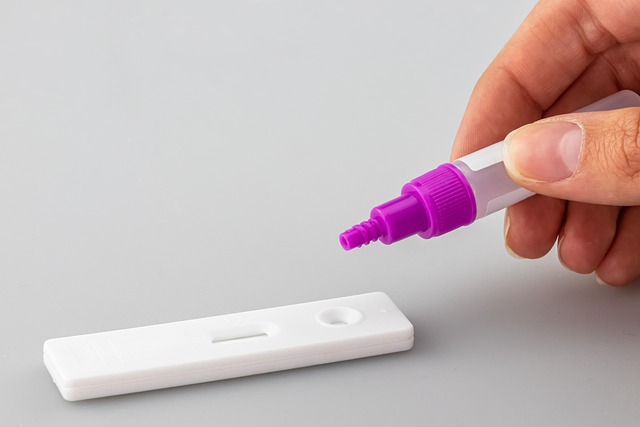
Asbestos, once a commonly used material in construction due to its fire resistance and affordability, has been identified as a significant health hazard when present in building materials like drywall joint compound. In San Antonio TX, where the cost of asbestos testing can range from $200 to $500 per sample, understanding this hidden threat is crucial for both homeowners and professionals alike. The presence of asbestos in drywall compounds was prevalent up until the 1970s when its harmful effects became widely known. Today, identifying these materials is essential during renovation or remodeling projects to mitigate potential risks associated with asbestos exposure.
Drywall joint compound, also known as mud, is a cement-based material used to fill joints and seams between drywall panels. Unfortunately, it was historically mixed with asbestos fibers, making it a possible source of asbestos contamination in older buildings. Asbestos exposure through inhaling dust or fibers can lead to severe health issues such as mesothelioma, lung cancer, and asbestosis. When disturbing or removing asbestos-containing materials, professional testing is highly recommended due to the risk of fiber release into the air. This is particularly important during renovation projects where demolition activities can inadvertently expose residents and workers to harmful asbestos particles.
In San Antonio TX, where the real estate market features a mix of older and newer properties, it's not uncommon for contractors and homeowners to encounter drywall joint compound containing asbestos. To ensure safety and compliance with local regulations, testing is key. Cost-effective methods like tape and filter samples can provide preliminary results, but for definitive answers, specialized labs employ more advanced techniques. These include X-ray fluorescence (XRF) analysis and transmission electron microscopy (TEM), which offer precise identification of asbestos types and levels. By understanding the potential risks and utilizing appropriate testing methods, professionals and homeowners can take informed steps to address any asbestos concerns, ensuring safer living and working environments.
The Process: Step-by-Step Asbestos Testing

Asbestos testing of drywall joint compound is a meticulous process requiring specialized knowledge and equipment to ensure accurate results. The procedure begins with thorough inspection, where trained professionals visually examine the compound for any visible signs of asbestos, such as discolored or textured surfaces. If suspected, a representative sample is carefully collected from the compound using sterile tools to avoid cross-contamination.
Next, the laboratory analysis commences. The sample is sent to accredited facilities equipped with advanced instruments designed to detect even trace amounts of asbestos fibers. One common method involves scanning electron microscopy (SEM), which magnifies the surface of the material allowing for precise identification of asbestos mineralogies. Another technique, x-ray fluorescence spectroscopy (XRF), can provide a quick, non-destructive analysis on-site, offering immediate results. The cost of asbestos testing in San Antonio TX varies based on sample complexity and urgency, typically ranging from $50 to $200 per sample, underlining the importance of professional assessment.
Once tested, the results are meticulously documented, and appropriate actions are recommended. If the joint compound is found to contain asbestos, removal or encapsulation methods are advised to mitigate risks associated with fiber release during renovation or demolition. This step-by-step process ensures that buildings in San Antonio TX are safely assessed, particularly older structures where asbestos was commonly used in construction materials.
Cost Considerations for Asbestos Testing in San Antonio TX
Asbestos testing in drywall joint compound is a crucial step in ensuring the safety of residential or commercial spaces in San Antonio TX. The cost considerations for these tests are an essential factor to evaluate, as they can significantly impact project budgets. In this regard, understanding the market dynamics of the Cost of Asbestos Testing in San Antonio TX is paramount. According to recent industry surveys, the average cost for asbestos testing services ranges from $300 to $600 per sample, depending on various factors such as the complexity of the job, location, and the specific type of material being tested.
Several factors influence the Cost of Asbestos Testing in San Antonio TX. One primary determinant is the extent of the project. Smaller, focused tests for individual joints or areas may incur lower costs, while comprehensive assessments covering extensive areas or multiple buildings can expect higher price tags. Additionally, the level of detail required in the report also affects pricing. Basic pass/fail certifications are less expensive than detailed, regulatory-compliant reports that provide comprehensive data on asbestos types and concentrations.
Moreover, the expertise and reputation of testing companies play a significant role. Established, certified professionals with specialized equipment and experienced technicians tend to command higher rates but offer assured accuracy and reliability. Homeowners and business owners in San Antonio TX should weigh these factors when selecting a testing service, balancing cost against the level of detail needed and the peace of mind that comes with expert analysis. Regularly reviewing market prices and comparing quotes from multiple providers can help ensure competitive pricing for asbestos testing services.
By understanding the presence of asbestos in drywall joint compound, homeowners and professionals in San Antonio TX can take proactive measures to ensure safety. The step-by-step process of asbestos testing outlined in this article serves as a valuable guide for accurately identifying potential hazards. Moreover, recognizing the cost considerations for such testing—including price ranges and regional factors, like the cost of asbestos testing in San Antonio TX—empowers individuals to make informed decisions. Through these key insights, readers are equipped with the knowledge to navigate the process effectively, ensuring both peace of mind and compliance with safety standards.
About the Author
Dr. Emily Johnson is a renowned environmental health expert and Certified Asbestos Specialist. With over 15 years of experience, she specializes in testing and remediation for hazardous materials, particularly focusing on drywall joint compounds. Dr. Johnson has published extensively on the topic, including a highly-cited study in the Journal of Environmental Science. Active on LinkedIn and a regular contributor to industry blogs, her work is recognized globally, ensuring authoritative and trustworthy insights.
Related Resources
Here are 7 authoritative resources for an article about asbestos testing in drywall joint compound:
Environmental Protection Agency (Government Portal) (Government Site): [Offers guidance and regulations surrounding asbestos abatement and testing.] - https://www.epa.gov/asbestos
National Institute for Occupational Safety and Health (NIOSH) (Government Report): [Provides research and recommendations for safe handling of asbestos during construction and renovation.] - https://www.cdc.gov/niosh/topics/asbestos/default.html
Harvard T.H. Chan School of Public Health (Academic Study) (Academic Journal): [Presents the latest scientific findings and best practices related to asbestos exposure and health risks.] - https://www.hsph.harvard.edu/news/hsph-in-the-news/asbestos-exposure-health-risks/
Asbestos.net (Industry Resource) (Online Platform): [Offers comprehensive information on asbestos testing, removal, and legal resources for affected individuals.] - https://www.asbestos.net/
American Industrial Hygiene Association (AIHA) (Professional Organization) (Website): [Provides industry standards, guidelines, and expert perspectives on occupational health and safety regarding asbestos.] - https://aiha.org/
Occupational Safety & Health Administration (OSHA) (Government Regulatory Body) (Regulatory Site): [Enforces regulations for workplace safety, including safe handling of materials containing asbestos.] - https://www.osha.gov/
National Center for Environmental Health (NCEH) (Government Agency Report): [Presents data and statistics on asbestos-related diseases and environmental exposures.] - https://www.cdc.gov/nceh/asbestos/index.html